A Brief History of the CCC
The Civilian Conservation Corps (CCC) was one of the most successful programs of President Franklin D. Roosevelt’s New Deal, launched in 1933 during the Great Depression. Designed to provide jobs and restore the nation’s natural resources, the CCC employed hundreds of thousands of young men in conservation and infrastructure projects across the United States.
Participants, often referred to as “CCC boys,” were typically between the ages of 18 and 25. They lived in camps and earned a modest wage, much of which was sent home to support their families. In exchange, they gained valuable skills, education, and a sense of purpose during a time of widespread economic hardship.

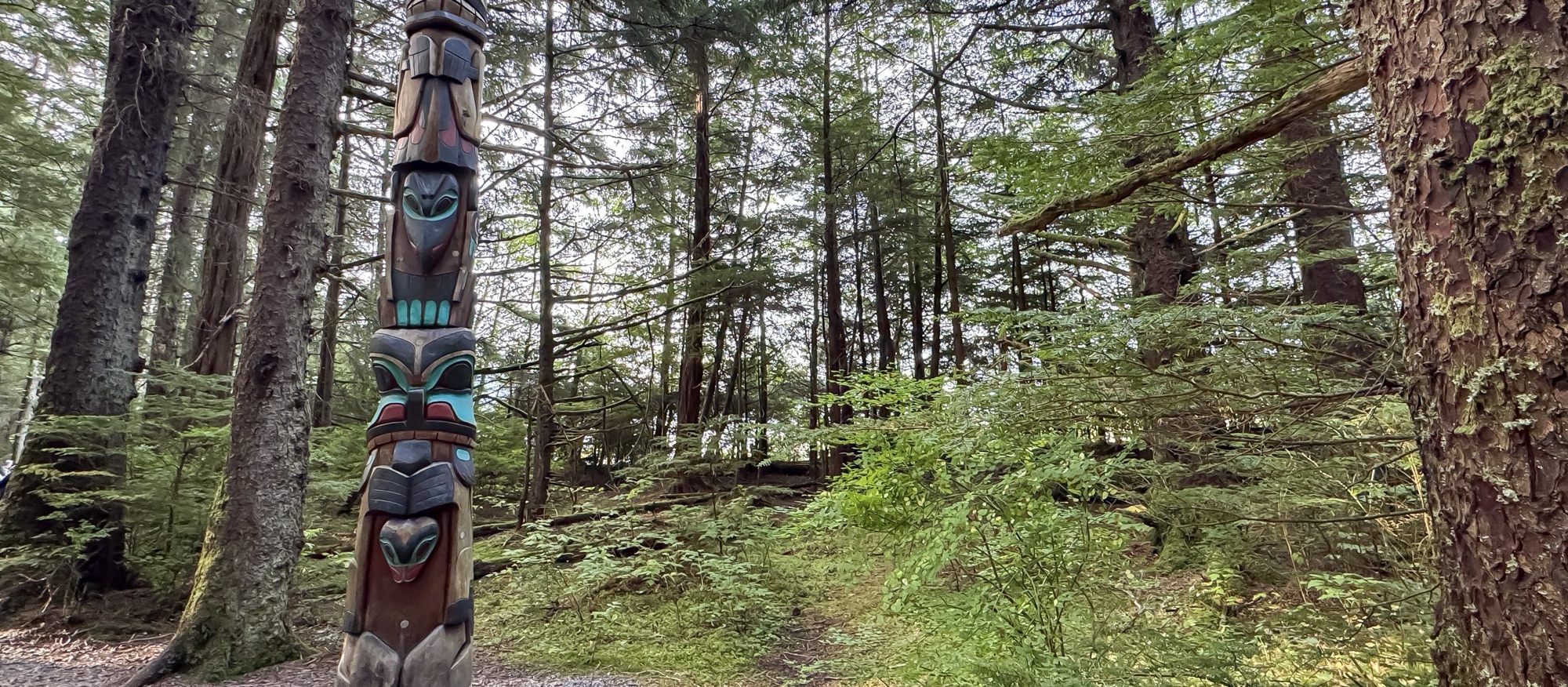
The CCC’s impact was profound: it planted billions of trees, built trails and shelters in national parks, fought soil erosion, and laid the groundwork for modern environmental stewardship. But beyond its ecological legacy, the CCC also played a role in cultural preservation—especially in places like Sitka, Alaska, where its work extended to restoring Indigenous art and heritage.
So how was the CCC experience in Alaska different from the rest of the country? Continue reading to explore how the CCC adapted to Alaska’s unique environment and cultural landscape.