The Seedy Side of Skagway: Vice, Grit, and Gold Rush Greed
Skagway may have been a gateway to fortune, but it was also a town built on vice. With thousands of transient stampeders flooding in, and little law enforcement to keep order, Skagway quickly earned a reputation as one of the wildest towns in the North. Behind the storefronts and supply depots, a darker world thrived—one of saloons, brothels, and conmen.
Saloons and Gambling Halls
By 1898, Skagway boasted over 80 saloons, each offering whiskey, poker, and a temporary escape from the harsh realities of the trail. These establishments were often loud, smoky, and dangerous—where fortunes could be won or lost in a single night. Gambling was rampant, and many games were rigged to favor the house.


Brothels and Dance Halls
Women came to Skagway not just to seek gold, but to earn a living in the booming entertainment industry. Dance halls and brothels lined the backstreets, offering companionship and distraction to lonely miners. While some operated openly, others were tucked away in hidden corners of town, protected by bribes and local alliances.


Conmen and Criminals
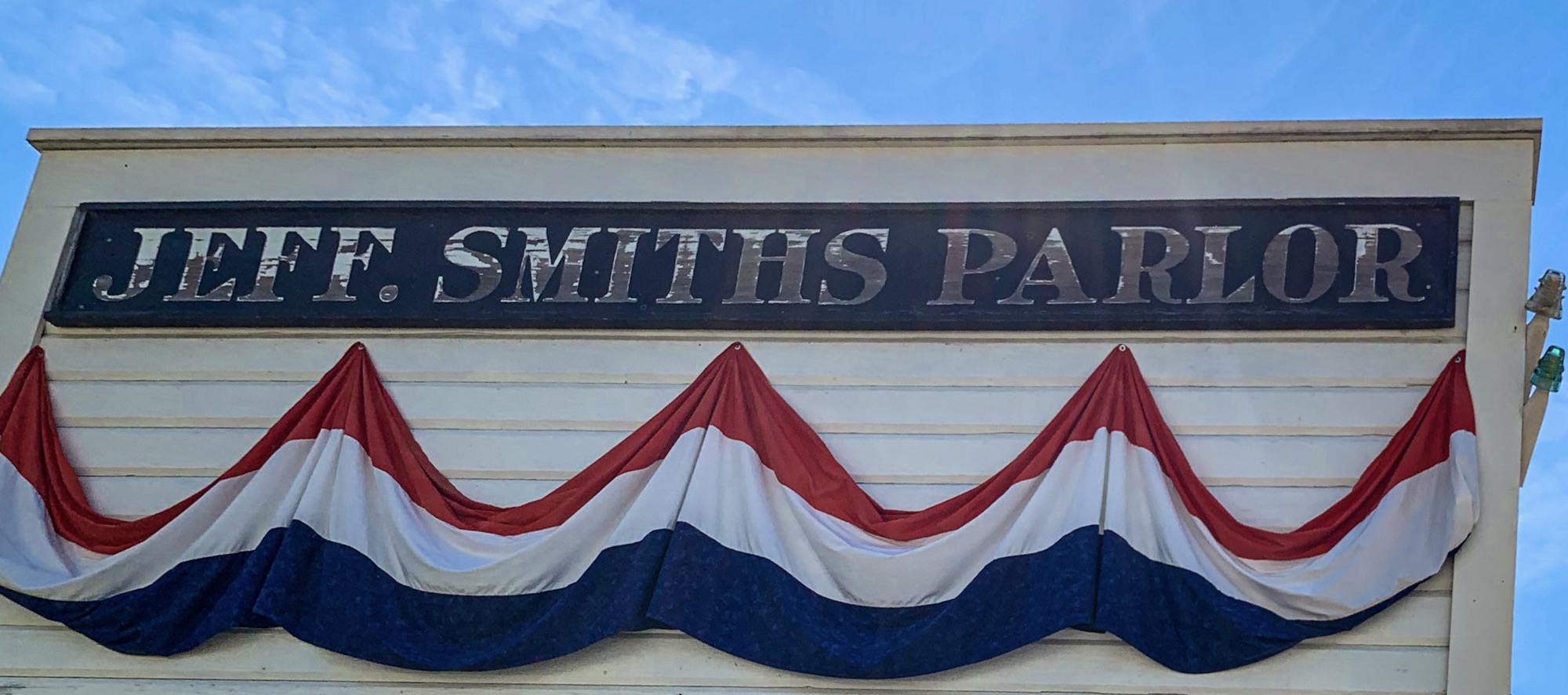
Skagway’s lack of law enforcement made it a haven for swindlers. Fake telegraph offices, rigged games, and phony investment schemes were common. The most infamous of these conmen was Jefferson “Soapy” Smith, who ran a criminal empire from his saloon, Jeff Smith’s Parlor. His gang controlled much of the town’s illicit activity, using charm and intimidation to keep power.
Who was Soapy Smith, and how did he take control of Skagway? Continue to the next section to uncover the life and legacy of Jefferson Smith—the man who turned a frontier town into his personal kingdom.