Skagway and Dyea: Boomtowns on the Edge of the Gold Rush
As thousands of stampeders poured into Southeast Alaska, two towns sprang up almost overnight: Skagway and Dyea. These frontier settlements became critical waypoints on the overland journey to the Klondike, each offering access to a different trail—Skagway to the White Pass, and Dyea to the Chilkoot Trail.
The Founding of Skagway

Skagway was founded in 1897 by Captain William Moore, a steamboat captain and early prospector who had long believed the White Pass would become a major route to the interior. He built a cabin and dock in the valley, anticipating the arrival of gold seekers. When the Klondike Gold Rush began, Moore’s prediction proved true—Skagway exploded with activity, quickly transforming from a quiet homestead into a bustling boomtown.
Dyea: Gateway to the Chilkoot

Dyea, located at the mouth of the Taiya River, provided access to the steep and treacherous Chilkoot Trail. For a brief moment, it boomed with tents, supply stores, and saloons. But its shallow harbor and difficult terrain made it less favorable than Skagway, and it soon declined as stampeders shifted routes.
Skagway: The Town That Took Over
Skagway’s flat valley and deep-water port gave it a strategic edge. It quickly outpaced Dyea in population and infrastructure, becoming the dominant hub for stampeders. The town grew chaotic and crowded, filled with merchants, packers, and opportunists eager to profit from the gold rush traffic.

Opportunity and Exploitation
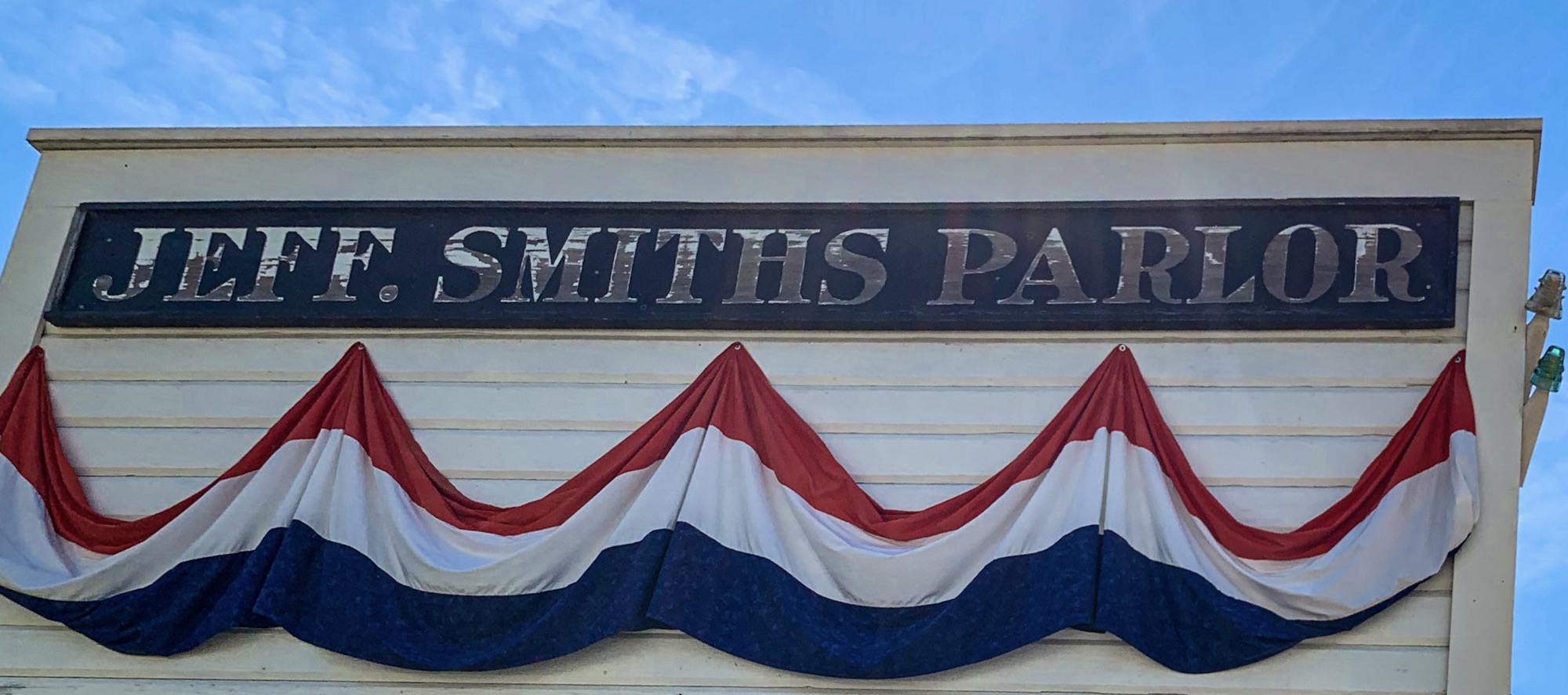
With little law enforcement and a transient population, Skagway became fertile ground for scams, gambling, and corruption. It was in this environment that Jefferson “Soapy” Smith rose to power, turning the town into his personal playground.
What was life really like in Skagway during the gold rush? In the next section, explore the town’s seedy underbelly—where bars, brothels, and conmen thrived in the shadows of fortune-seekers and fortune-makers.
Next: The Seedy Side of Skagway: Vice, Grit, and Gold Rush Greed